Pest ID Guide

Pest ID Guide

Common Pests in North Platte & Western Nebraska

Not sure what pest you’re seeing? Below are common insects and rodents we encounter in North Platte, Brady, and surrounding Nebraska communities. Click on any pest to learn identification tips, what attracts them, prevention steps, and when professional pest control is recommended.

testimonials

Real Stories from Real Customers Pest Control & Wildlife Solutions

Need Pest Protection?

Call us today or request your free quote online.

Send Us a Message

Get in touch

Schedule Your Free Pest & Wildlife Inspection Now

Our experienced team is standing by to answer your questions and schedule your property assessment. We provide fast, effective, and humane solutions for all pest and wildlife concerns. Reach out through any method below and we will respond promptly to get you on our schedule.

(720) 765-6565

swatpestcontrolnp@gmail.com

317 W Rodeo Rd Ave, North Platte, NE 69101, United States
Connect With Us Online

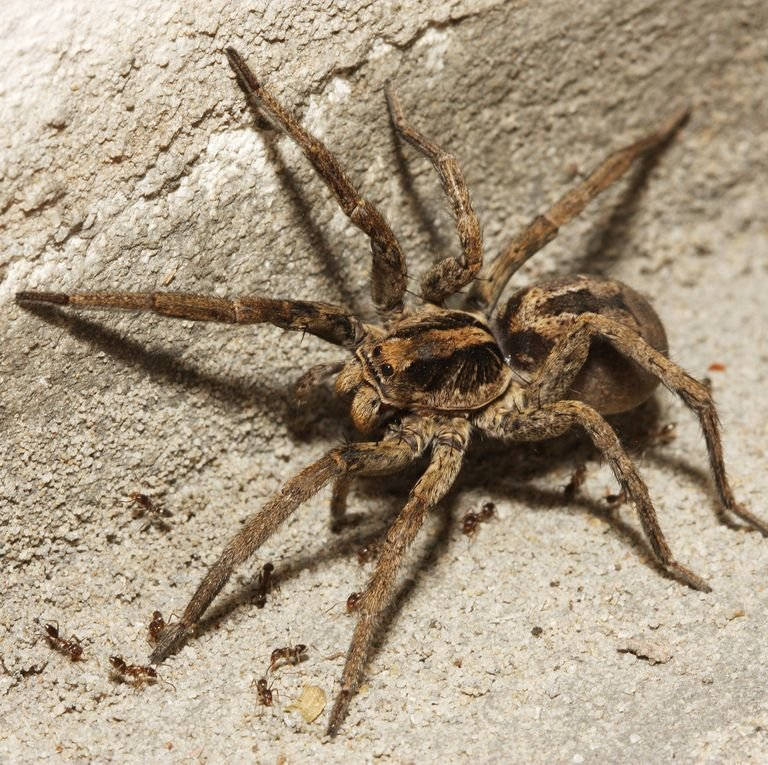
Wolf Spiders

What Are Wolf Spiders?
Wolf spiders are large, fast-moving hunting spiders commonly found in basements and garages throughout North Platte and Western Nebraska.

What Do Wolf Spiders Eat?
They feed on insects, including ants, beetles, and other spiders.

Why Are They in My House?
Wolf spiders enter homes through foundation gaps and are often attracted by insect activity inside.

What Eats Wolf Spiders?
Birds, lizards, and larger spiders prey on wolf spiders outdoors.

Are They Dangerous?
Wolf spiders are not aggressive but may bite if handled. Their presence usually indicates other insect activity.

What Should I Do If I See Them?
Seal foundation cracks, reduce interior insect populations, and remove clutter.

Professional Pest Control in North Platte, NE

Recurring spider activity may require perimeter
treatment and entry point sealing.

Stop Worrying, Act Today.

Box Elders

What Are Box Elder Bugs?
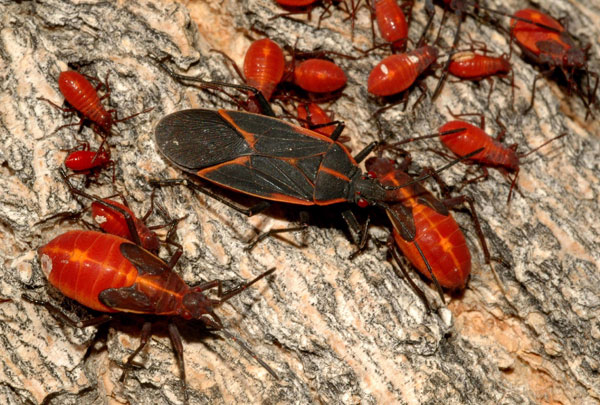
Box elder bugs are black insects with red or orange markings commonly seen on the sunny sides of homes in North Platte and Western Nebraska, especially in fall. They often gather in large numbers around windows and siding.

What Do Box Elder Bugs Eat?
They feed primarily on box elder trees, maple trees, and ash trees, sucking sap from leaves and seeds.

Why Are They in My House?
In Nebraska, box elder bugs enter homes in late summer and fall looking for warm overwintering shelter inside wall voids and attics.

What Eats Them?
Birds, spiders, and predatory insects feed on box elder bugs outdoors.

Are They Dangerous?
They are not dangerous, but large numbers can stain surfaces and become a nuisance indoors.

What Should I Do If I See Them?
Seal cracks around windows and siding. Avoid
crushing them indoors. Exterior perimeter treatment and exclusion are most effective.

Professional Pest Control in North Platte, NE
Recurring infestations may require targeted exterior treatment and sealing recommendations.

Yellowjackets

What Are Yellowjackets?

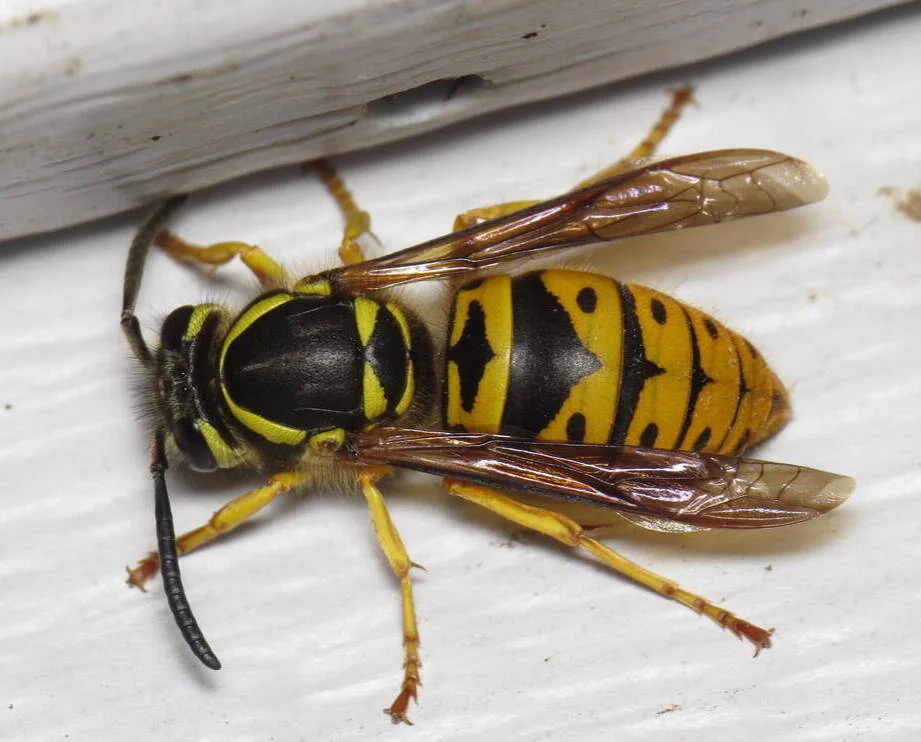
Yellowjackets are aggressive stinging insects commonly found in North Platte and Western Nebraska during late summer and early fall. They often build nests underground, inside wall voids, or in structural cavities.

What Do Yellowjackets Eat?

Yellowjackets feed on sugars, meats, and other insects. They are especially attracted to garbage, outdoor food, and sugary drinks.

Why Are They in My House?

In Nebraska, yellowjackets may enter homes through siding gaps, soffits, or wall voids if a nest is built inside the structure.

What Eats Yellowjackets?

Birds, skunks, raccoons, and other predatory insects may feed on yellowjackets.

Are They Dangerous?
Yes. Yellowjackets can sting multiple times and may become aggressive if their nest is disturbed.

What Should I Do If I See Them?

Do not attempt to spray an active nest without proper equipment. Avoid disturbing the area and seek professional removal.

Professional Pest Control in North Platte, NE

SWAT Pest Control provides targeted nest treatment and removal using safe, strategic methods.

Stop Worrying, Act Today.

Bed Bugs

What Are Bed Bugs?

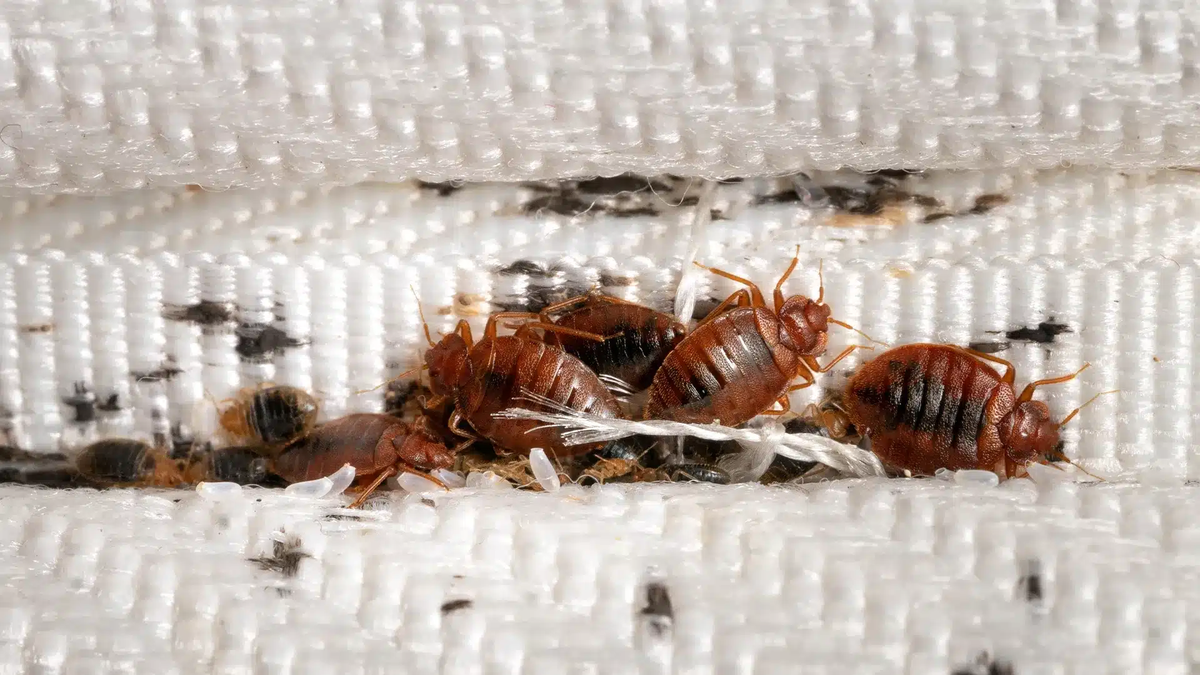
Bed bugs are small, reddish-brown, blood-feeding insects that hide in mattresses, bed frames, furniture, baseboards, and cracks in walls. They are about the size of an apple seed and are most active at night. Bed bugs do not spread disease, but their bites can cause itching, allergic reactions, anxiety, and sleep disruption.

In Nebraska, bed bug infestations are most commonly introduced through travel, secondhand furniture, hotels, apartments, dormitories, and workplaces.

What Do Bed Bugs Eat?

Bed bugs feed exclusively on blood, primarily human blood. They are attracted to:

Body heat
Carbon dioxide
Human scent

They typically feed for 5–10 minutes while a person sleeps, then retreat to hiding spots.

Why Are Bed Bugs in My Home?

Bed bugs are hitchhikers — not a sanitation issue.
Common causes:

Recent travel (hotels, Airbnbs, work trips)
Used furniture or mattresses
Multi-unit housing (apartments, duplexes)
Visitors unknowingly bringing them in
Workplace exposure (healthcare, schools, offices)

They can spread from room to room and unit to unit if not professionally treated.

Signs of a Bed Bug Infestation

Small red bites in clusters or lines (often on arms, legs, neck)
Blood spots on sheets
Black pepper-like fecal stains on mattresses or baseboards
Shed skins or live bugs in mattress seams
Musty odor in heavy infestations

Bed bugs hide in:

Mattress seams
Box springs
Headboards
Nightstands
Electrical outlets
Behind baseboards
Upholstered furniture

What Eats Bed Bugs?

Very few predators reliably control bed bugs indoors. Some spiders and insects may eat them, but natural predators do NOT eliminate infestations. Professional intervention is required for complete control.

What To Do If You Have Bed Bugs

Do NOT throw away furniture immediately (this can spread them).
Do NOT move items between rooms.
Avoid over-the-counter foggers — they often make infestations worse.
Call a licensed pest professional immediately.
Begin preparation steps as instructed.

Early treatment dramatically reduces cost and spread.

Bed Bug Preparation Tips
Before treatment:

Wash and dry all bedding and clothing on HIGH heat (minimum 30 minutes in dryer).
Place cleaned items in sealed bags or totes.
Reduce clutter around beds and baseboards.
Vacuum thoroughly (dispose of vacuum contents in sealed bag).
Remove items from under the bed.

Proper preparation is critical for successful elimination.

How SWAT Pest Control Handles Bed Bugs
At SWAT Pest Control Nebraska, we use:

Detailed inspections
Targeted residual treatments
Crack and crevice applications
Monitoring strategies
Follow-up inspections when needed

We provide clear prep instructions and walk you through every step. Bed bugs require precision — and we take them seriously.

Serving North Platte, Brady, Ogallala, and surrounding Western & Central Nebraska communities.

Frequently Asked Questions:

Can bed bugs spread disease?
No proven disease transmission, but bites cause discomfort and stress.

Can I get rid of bed bugs myself?
DIY methods rarely eliminate full infestations.

How fast do they spread?
Very quickly. Females lay multiple eggs per day.

Are they caused by being dirty?
No. Bed bugs infest clean and dirty homes alike.

Cockroaches

What Are Cockroaches?

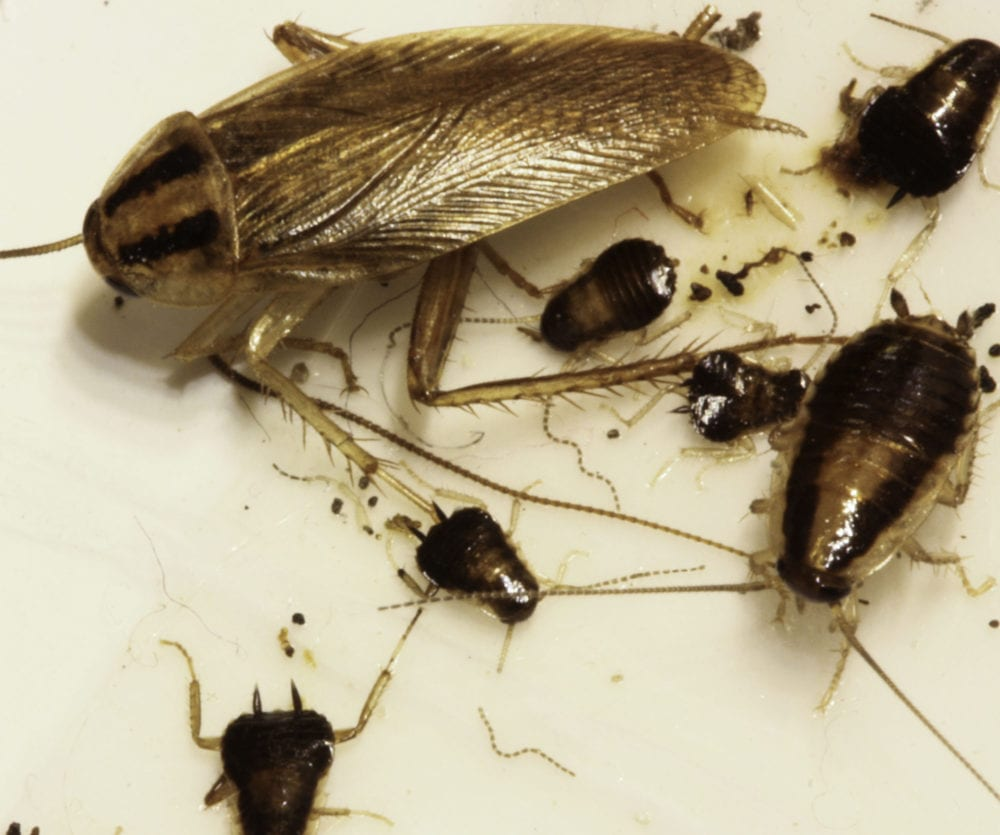
Cockroaches are fast-moving, flat-bodied insects that thrive in warm, dark, and moist environments. In Nebraska, the most common species found inside homes and businesses include:

German cockroaches (small, light brown, reproduce rapidly)
Oriental cockroaches (larger, dark brown to black, moisture-loving)

Cockroaches are considered public health pests because they contaminate food and surfaces.

Why Are Cockroaches in My Home?

Cockroaches enter structures in search of:

Food
Water
Shelter
Warmth
Common causes include:

Food crumbs or grease buildup
Moisture under sinks or in basements
Shared walls in apartments or duplexes
Grocery bags or cardboard boxes
Sewer line access

German roaches are often introduced through infested appliances, furniture, or multi-unit housing.

What Do Cockroaches Eat?

Cockroaches will eat almost anything, including:

Food crumbs
Grease residue
Pet food
Paper and cardboard
Glue and book bindings
Soap and toothpaste
Other dead insects

They are survivalists and can live weeks without food.

Signs of a Cockroach Infestation

Seeing live roaches (especially at night)
Small black droppings resembling pepper
Musty odor in cabinets
Egg capsules (oothecae)
Smear marks along walls or baseboards

If you see one during the day, the infestation may already be advanced.

Are Cockroaches Dangerous?

Yes. Cockroaches can:

Spread bacteria like Salmonella and E. coli
Trigger asthma and allergies
Contaminate food and surfaces
Rapidly reproduce if untreated

Professional control is strongly recommended.

What To Do If You See Cockroaches

Do not rely on over-the-counter foggers.
Avoid excessive spray products — they can scatter populations.
Clean up food and grease immediately.
Fix moisture issues under sinks.
Contact a licensed pest control professional.

Roaches require targeted treatment and monitoring.

Preparation Tips Before Treatment:

Remove items from kitchen cabinets (if instructed).
Clean surfaces thoroughly.
Vacuum visible droppings.
Seal food in airtight containers.
Reduce clutter around appliances.

Proper preparation increases treatment success.

How SWAT Pest Control Handles Cockroach Control
At SWAT Pest Control Nebraska, we use:

Detailed inspections to identify nesting areas
Targeted gel bait applications
Crack and crevice treatments
Growth regulators (when appropriate)
Follow-up monitoring and service

Cockroach control requires precision and follow-through — not just surface spraying.

We serve Brady, North Platte, Ogallala, and surrounding Western & Central Nebraska communities.

Frequently Asked Questions:

Can I eliminate cockroaches myself?
DIY treatments rarely eliminate full infestations, especially German roaches.

How fast do cockroaches reproduce?
German roaches reproduce rapidly — one female can produce hundreds of offspring in her lifetime.

Are cockroaches a sign of a dirty home?
Not necessarily. They are attracted to food and moisture, but can infest clean homes and businesses.

Spiderwebs & Spider Egg Sacs

What Are Spider Webs and Egg Sacs?

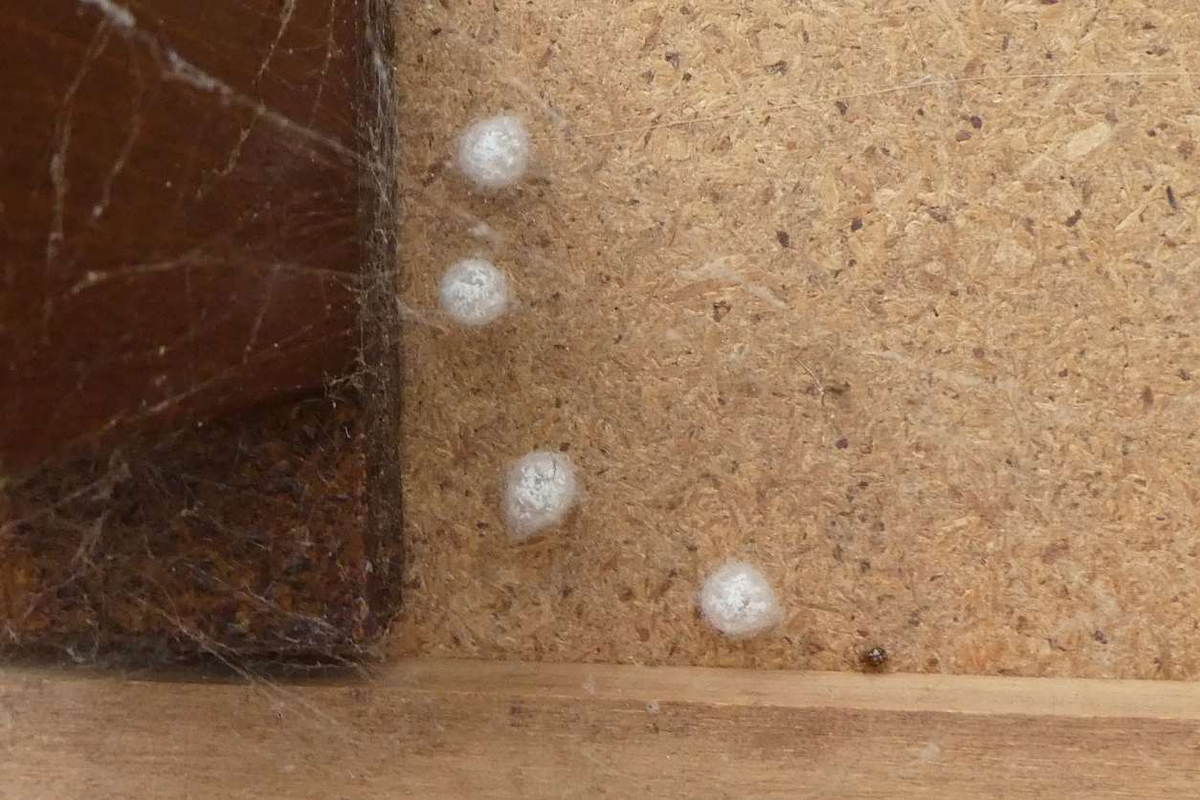
Spider webs are silk structures built by spiders to catch prey and establish territory around your home. Spider egg sacs are small silk-wrapped bundles that contain dozens — sometimes hundreds — of baby spiders.

In Nebraska, exterior spider web buildup is common around:

Eaves and soffits
Window frames
Door frames
Light fixtures
Garage corners
Decks and siding

Egg sacs are often attached to webs, tucked into corners, or hidden in cracks and crevices.

Why Do I Keep Getting Spider Webs on My House?

Spiders build webs where food is available.
Common causes include:

Outdoor lighting that attracts insects
Gaps and cracks around siding
Overgrown landscaping near the home
Lack of regular exterior maintenance
Previous untreated spider populations

If webs return quickly after being knocked down, there is likely an active spider population nesting around the structure.

What Do Spider Egg Sacs Look Like?
Spider egg sacs may appear as:

Small white or tan cotton-like balls
Flat silk patches
Round silk pods attached to siding
Paper-like sacs tucked into corners

Each egg sac can contain dozens to hundreds of spiderlings.

If not removed properly, they hatch and increase spider activity around your home.

What Do Spiders Eat?

Spiders feed on:

Flies
Mosquitoes
Gnats
Moths
Beetles
Other small insects

If your home has high insect activity, spiders will follow.

Controlling spiders often means reducing their food source.

Are Spider Webs Dangerous?

Most exterior house spiders in Nebraska are harmless. However:

Web buildup makes homes look neglected
Egg sacs can lead to population surges
Some spiders (like yellow sac spiders or black widows) may pose bite risks

Professional removal reduces both risk and recurring infestations.

What To Do If You See Spider Webs or Egg Sacs

Physically remove visible webs with a broom or brush.
Remove egg sacs carefully and dispose of them in sealed bags.
Reduce outdoor lighting if possible.
Trim vegetation away from siding and foundations.
Schedule a professional exterior treatment if webs return quickly.

Knocking webs down alone does not eliminate the source population.

Prevention & Maintenance Tips

Seal cracks and entry points.
Install yellow “bug lights” outdoors.
Keep mulch and shrubs 6–12 inches from foundation.
Schedule routine perimeter pest control treatments.
Remove webs as soon as they appear.

Consistent maintenance prevents large spider populations from developing.

How SWAT Pest Control Handles Spider Web & Egg Sac Removal

At SWAT Pest Control Nebraska, we provide:

Complete exterior web removal
Egg sac removal and targeted treatment
Residual perimeter applications
Crack and crevice treatment around windows and siding
Seasonal maintenance plans

We focus on long-term spider reduction, not just cosmetic cleanup.

Serving Brady, North Platte, Ogallala, and surrounding Western & Central Nebraska communities.

Frequently Asked Questions:

Will knocking down webs solve the problem?
No. It removes visible webs but not the spiders nesting around the structure.

How often should spider treatments be done?
Typically quarterly for best results in Nebraska climates.

Are the treatments safe for kids and pets?
Yes, when applied properly and allowed to dry according to label directions.

Carpet Beetles

What Are Carpet Beetles?
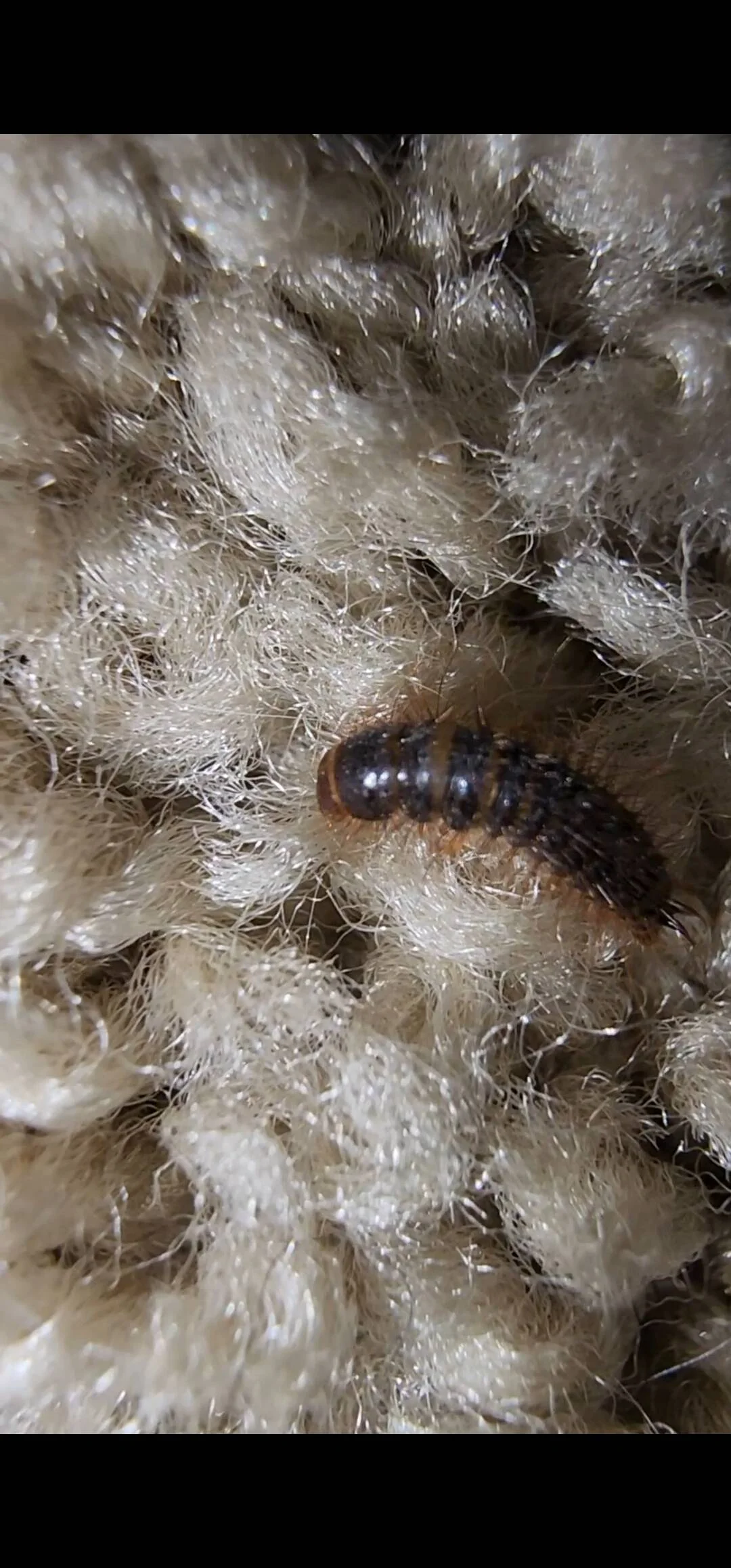
Carpet beetles are small oval-shaped beetles whose larvae are common household fabric pests. Adult carpet beetles are usually black or brown in color. They are often found near flowers, lights, windows, and other areas with natural light. The larvae are covered in fine hairs and are the stage responsible for most household damage.
In North Platte and Western Nebraska, carpet beetles often enter homes through the gaps in doors, windows, and vents. They can also be brought indoors on flowers, plants, clothing, furniture, and other materials.

What Do Carpet Beetles Eat?
Adult carpet beetles primarily feed on pollen and nectar outdoors. Carpet beetle larvae feed on animal-based materials and organic debris, including:
Wool and wool carpets
Fur and feathers
Silk and other natural fabrics
Upholstery and furniture coverings
Clothing and blankets
Dead insects and accumulated lint
Larvae may also feed on pet hair and other organic material that collects in hidden areas.

Why Are Carpet Beetles in My Home?
Carpet beetles are attracted to homes because they provide food and protected areas where larvae can develop.
Their favourite spots include:
Natural-fiber carpets and rugs
Wool clothing and blankets
Upholstered furniture
Pet hair
Bird or rodent nests around the home
Flowers or plants brought indoors
Carpet beetles can be difficult to notice because larvae often remain hidden underneath furniture, along carpet edges, inside closets, or in other undisturbed areas.

Signs of a Carpet Beetle Infestation
Common signs include:
Small holes in your clothing and fabrics
Hairy Larvae
Small adult beetles near windows
Damage along carpet edges
Larvae or shed skins in closets


Unlike many fabric pests, carpet beetle damage is caused primarily by the larvae, not the adult beetles.

What Eats Carpet Beetles?
Carpet beetles and their larvae are eaten by spiders, predatory insects, birds, and other natural predators outdoors. However, natural predators rarely provide enough control to eliminate an infestation inside a home.

Are Carpet Beetles Dangerous?
Carpet beetles do not bite or sting people and are not considered dangerous to humans. However, their larvae can damage clothing, carpets, and other valuable natural-fiber materials.
The hairs on carpet beetle larvae can also cause skin irritation in some people who are sensitive to them.

What Should I Do If I See Carpet Beetles?
Vacuum your carpets and closets thoroughly, paying particular attention to edges and hidden spaces. Wash or dry-clean susceptible clothing and fabrics, and store cleaned items in sealed containers when possible.
Remove accumulated lint, pet hair, dead insects, and other organic debris. Inspect stored wool and other natural fiber materials for larvae and damage.
If you continue finding larvae or fabric damage after cleaning, a professional inspection can help locate hidden breeding areas and determine the appropriate treatment.

Professional Pest Control in North Platte, NE
Recurring carpet beetle activity may indicate hidden larvae, food sources, or nesting material in areas that are difficult to access.

SWAT Pest Control serves Brady, North Platte, Ogallala, and surrounding Western & Central Nebraska communities. Stop Worrying, Act Today.

Brown Recluse

What Is a Brown Recluse Spider?

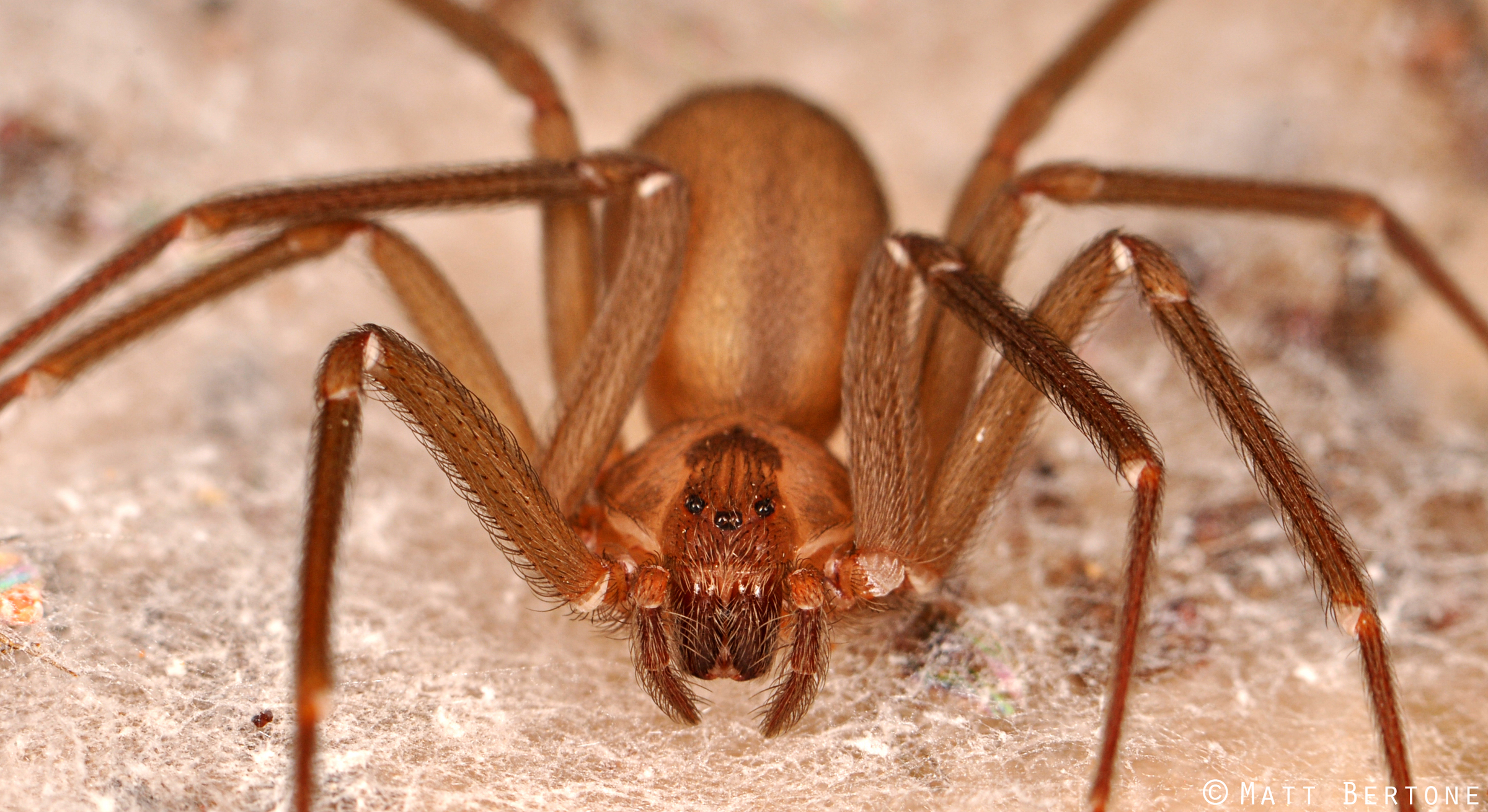
The brown recluse spider (Loxosceles reclusa) is a venomous spider known for the dark violin-shaped marking on its back. It is light to dark brown and typically about the size of a quarter including its legs.
Brown recluse spiders prefer dark, undisturbed areas and are most active at night. While they are more common in southern states, isolated populations can be found in parts of Nebraska.
Correct identification is critical — many spiders are mistakenly labeled as brown recluse.

How Do I Identify a Brown Recluse?

True brown recluse spiders have:

A violin-shaped marking on the top of the cephalothorax
Six eyes arranged in three pairs (most spiders have eight)
Long, thin legs without heavy spines
A uniform tan to brown color

If unsure, professional identification is recommended.

Why Are Brown Recluse Spiders in My Home?

Brown recluse spiders enter homes searching for:

Shelter
Undisturbed hiding spots
Insect prey

They commonly hide in:

Storage boxes
Closets
Basements
Attics
Under furniture
Inside rarely used clothing or shoes

Cluttered areas increase the likelihood of harborages.

What Do Brown Recluse Spiders Eat?

Brown recluse spiders feed on:

Small insects
Other spiders
Cockroaches
Silverfish

If your home has other insect activity, it may attract hunting spiders.

Are Brown Recluse Bites Dangerous?

Brown recluse bites are rare but can be medically significant.

Most bites occur when:

A spider is trapped in clothing or bedding
Someone rolls onto one during sleep
Items in storage are disturbed

Symptoms may include:

Redness and mild swelling
Blistering at the bite site
Skin tissue breakdown in severe cases

Many suspected “brown recluse bites” are actually caused by other conditions. Medical evaluation is recommended for any concerning wound.

Signs of a Brown Recluse Infestation

Seeing spiders in undisturbed storage areas
Finding shed skins
Discovering egg sacs in dark corners
Multiple sightings over time

Brown recluse spiders are reclusive — frequent sightings may indicate a larger population.

What To Do If You Suspect Brown Recluse Activity

Do not attempt to handle spiders directly.
Reduce clutter in storage areas.
Seal cracks and gaps in walls and foundations.
Install glue monitoring traps in suspect areas.
Contact a licensed pest professional for inspection and treatment.

Proper identification is essential before treatment.

Prevention & Home Maintenance Tips

Keep storage areas organized.
Use sealed plastic bins instead of cardboard.
Shake out clothing and shoes stored long-term.
Seal foundation cracks and entry points.
Maintain regular perimeter pest control service.

Reducing insect prey also helps reduce spider presence.

How SWAT Pest Control Handles Brown Recluse Concerns

At SWAT Pest Control Nebraska, we provide:

Professional spider identification
Detailed interior and exterior inspections
Targeted crack and crevice treatments
Residual perimeter applications
Monitoring strategies for long-term control

We focus on accurate identification and responsible treatment — not fear-based assumptions.

Serving Brady, North Platte, Ogallala, and surrounding Western & Central Nebraska communities.

Frequently Asked Questions:

Are brown recluse spiders common in Nebraska?
They are less common than in southern states but may occur in certain structures.

Do all brown spiders have a violin marking?
No. Many harmless spiders are mistaken for brown recluse.

Should I worry if I see one spider?
Not necessarily — but multiple sightings warrant inspection.

Earwigs

What Are Earwigs?

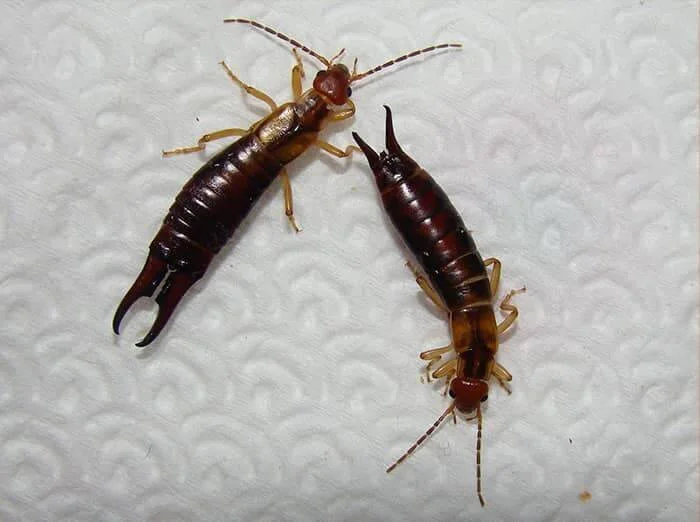
Earwigs are small, dark brown insects with noticeable pinchers (forceps) on the back of their bodies. They are commonly found outdoors in Nebraska but often invade homes during periods of moisture, heat, or seasonal changes.
Despite common myths, earwigs do not crawl into ears. They are nuisance pests that prefer damp environments and sheltered hiding spots.

Why Are Earwigs in My Home?

Earwigs enter homes looking for:
Moisture
Shelter
Cooler temperatures during heat
Warmth during colder months

Common causes include:
Overwatered landscaping
Mulch or leaf litter against the foundation
Foundation cracks and gaps
Basement moisture
Heavy rain driving them indoors

They typically enter through small cracks around doors, windows, and foundations.

What Do Earwigs Eat?

Earwigs are scavengers and feed on:
Decaying plant matter
Leaves and mulch
Small insects
Garden plants
Organic debris

Outdoors, they can damage flowers and vegetable gardens. Indoors, they usually survive only briefly unless moisture conditions are favorable.

Signs of an Earwig Problem:
Earwigs in basements or bathrooms
Finding them under sinks or laundry areas
Large numbers around foundation walls
Earwigs gathering near exterior lights

If you see them frequently indoors, there is likely a moisture or entry-point issue that needs addressing.

Are Earwigs Dangerous?

Earwigs are not dangerous and do not transmit disease. They may use their pinchers defensively, but they rarely break skin.

However, large populations can:
Create nuisance infestations
Damage landscaping
Indicate excess moisture issues around the home

What To Do If You See Earwigs:
Reduce exterior moisture near the foundation.
Remove mulch and leaf buildup from siding.
Seal cracks and entry points.
Install weather stripping on doors.
Schedule a professional perimeter treatment if activity continues.

Eliminating moisture and nesting zones is key to long-term control.

Prevention & Maintenance Tips:
Keep mulch 6–12 inches away from foundation walls.
Improve drainage around the home.
Repair leaky outdoor faucets.
Use dehumidifiers in damp basements.
Maintain routine exterior pest control treatments.

Preventative treatments are especially helpful during Nebraska’s humid summer months.

How SWAT Pest Control Handles Earwig Control

At SWAT Pest Control Nebraska, we provide:
Exterior perimeter treatments
Crack and crevice applications
Moisture-source identification
Entry-point inspection
Ongoing maintenance plans

Our focus is long-term prevention — not just knocking down visible pests.

Serving Brady, North Platte, Ogallala, and surrounding Western & Central Nebraska communities.

Frequently Asked Questions:

Do earwigs crawl into ears?
No. This is a myth.

Why do I see more earwigs after rain?
Heavy moisture drives them out of soil and mulch.

Will earwigs live permanently inside my home?
Usually no — unless there is consistent moisture and hiding space available.